
The Nomad is a series of stories, fascinations, encounters, observations, experiences, joy of the moments by me, Ulrike Reinhard – all around my travels. Stay tuned!
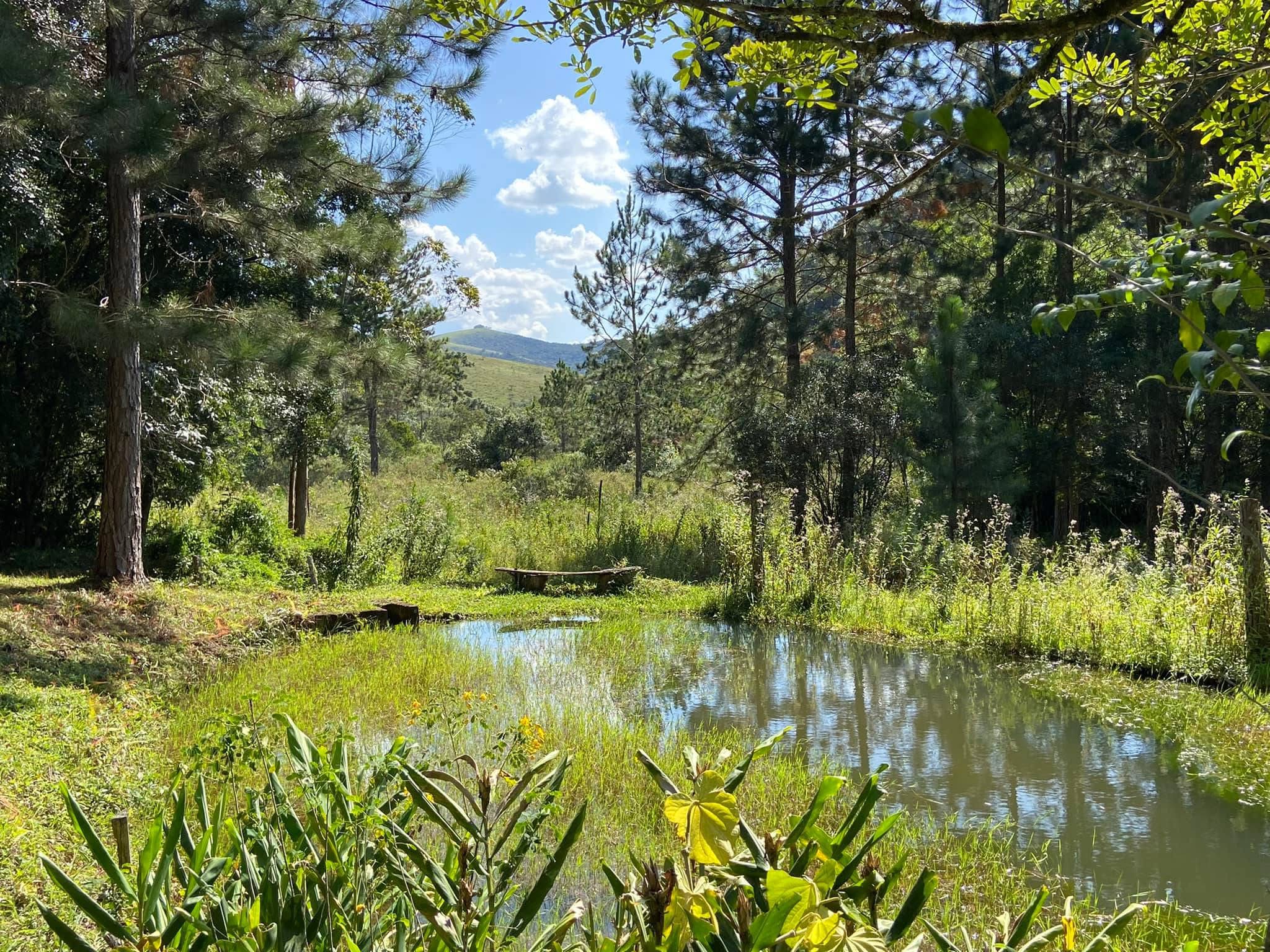
In February 2022, I spent two weeks at the fazenda of my dear friend Regina Cohen — a shaman, natural healer, and woman equally at home in Manhattan and Rio de Janeiro. She co-owns a fazenda in the mountains of Minas Gerais, Brazil. The place is raw, remote, and almost untouched by time. Nestled in the folds of the Bocaina do Minas mountains, not too far from Belo Horizonte, the fazenda is a living organism — part farm, part forest, part sanctuary. Water cuts through the land like veins, feeding small wetlands and whispering to the trees. It’s wild, sacred land. And sometimes Regina uses it as a retreat center.
The drive up feels like entering another rhythm of time. The unpaved road winds endlessly through the green spine of the mountains — dusty, occasionally very narrow, more suggestion than path. And often, during the rainy season, it is impassable. With each turn, the world grows quieter.
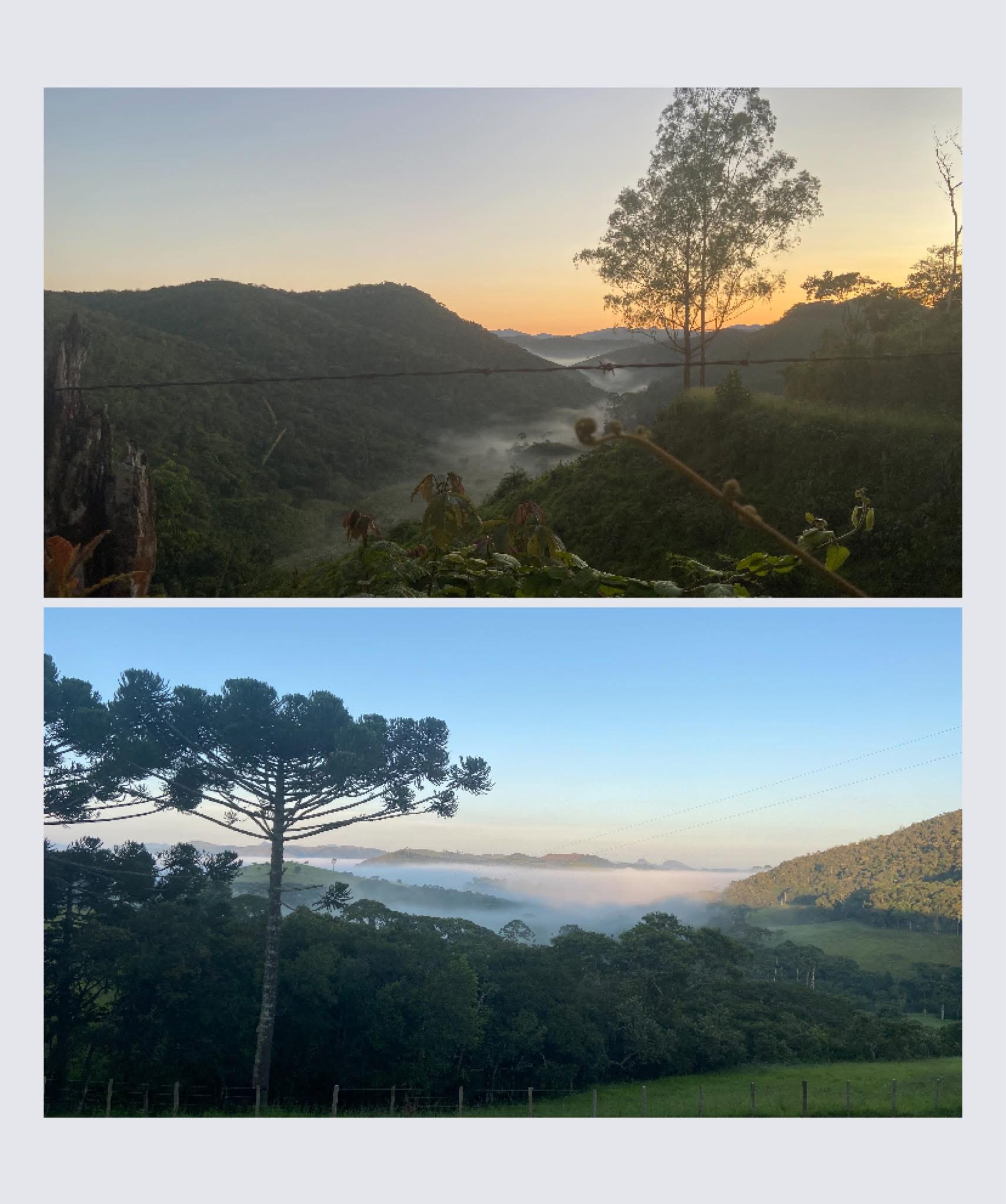
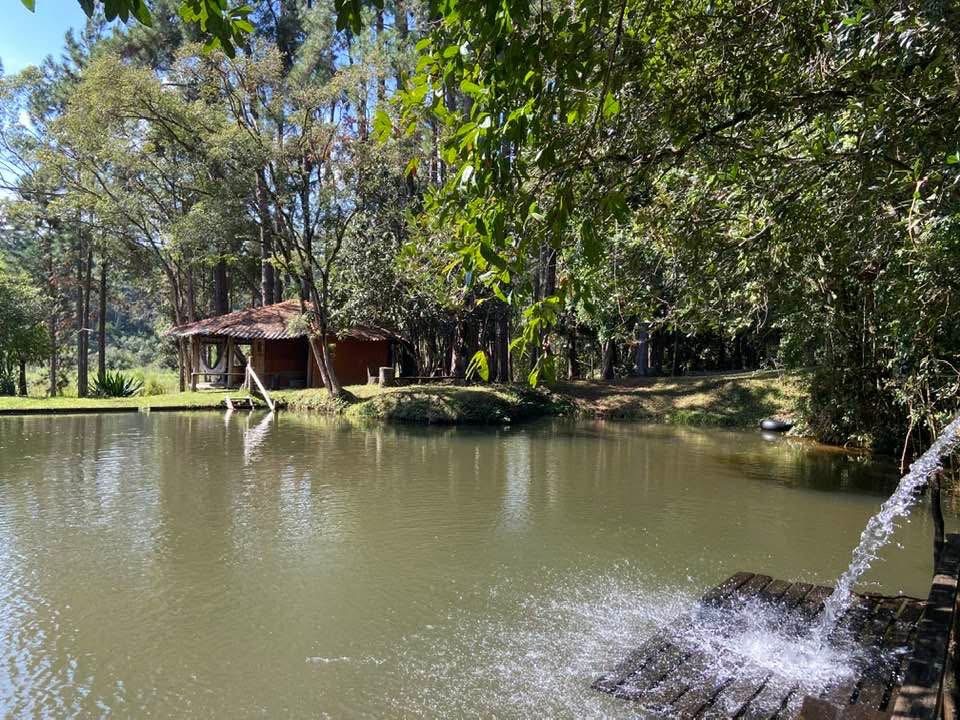
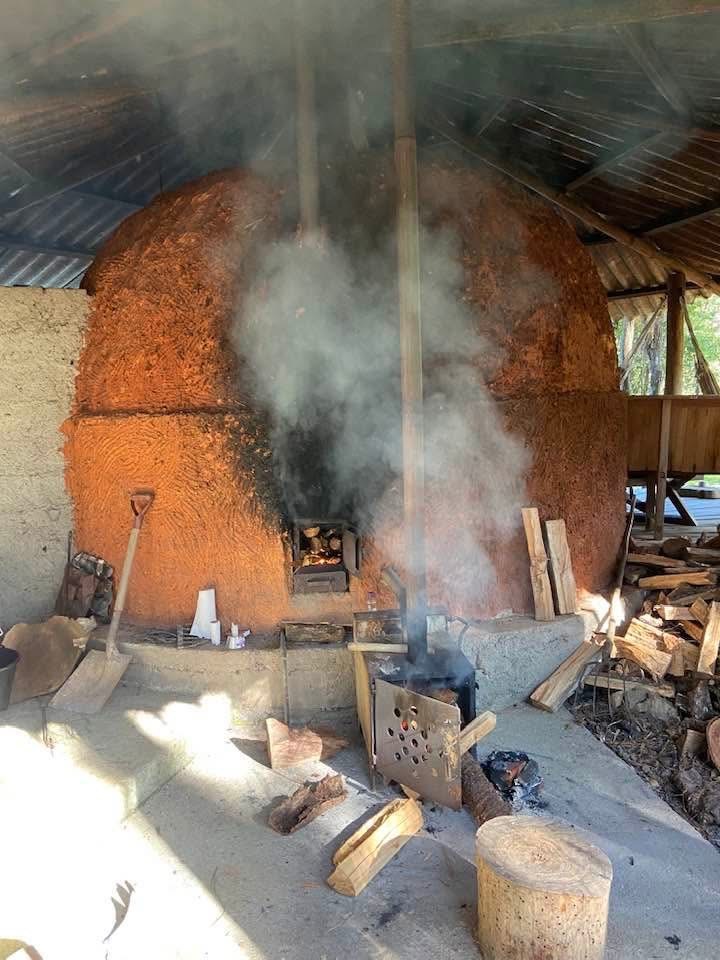
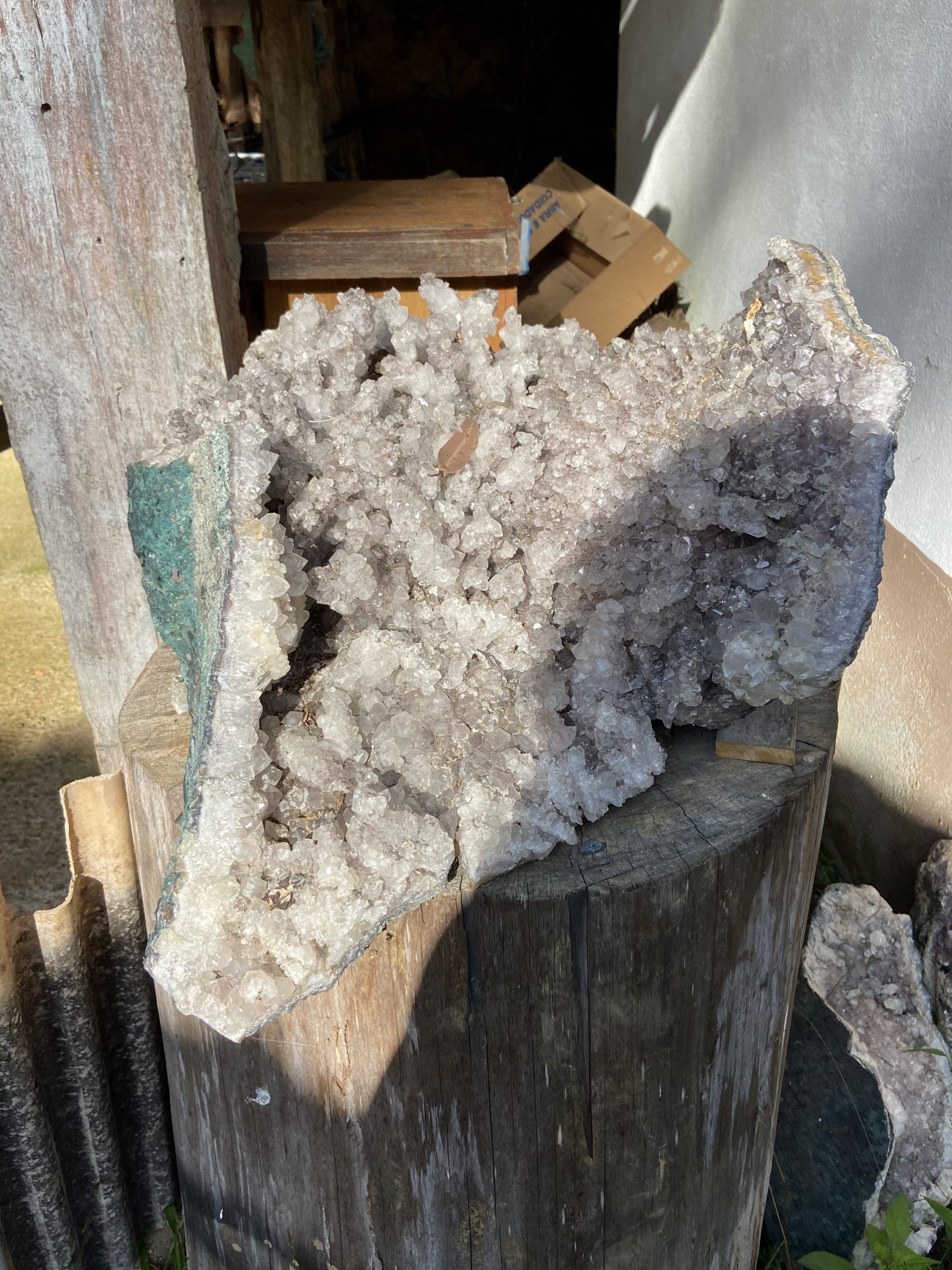
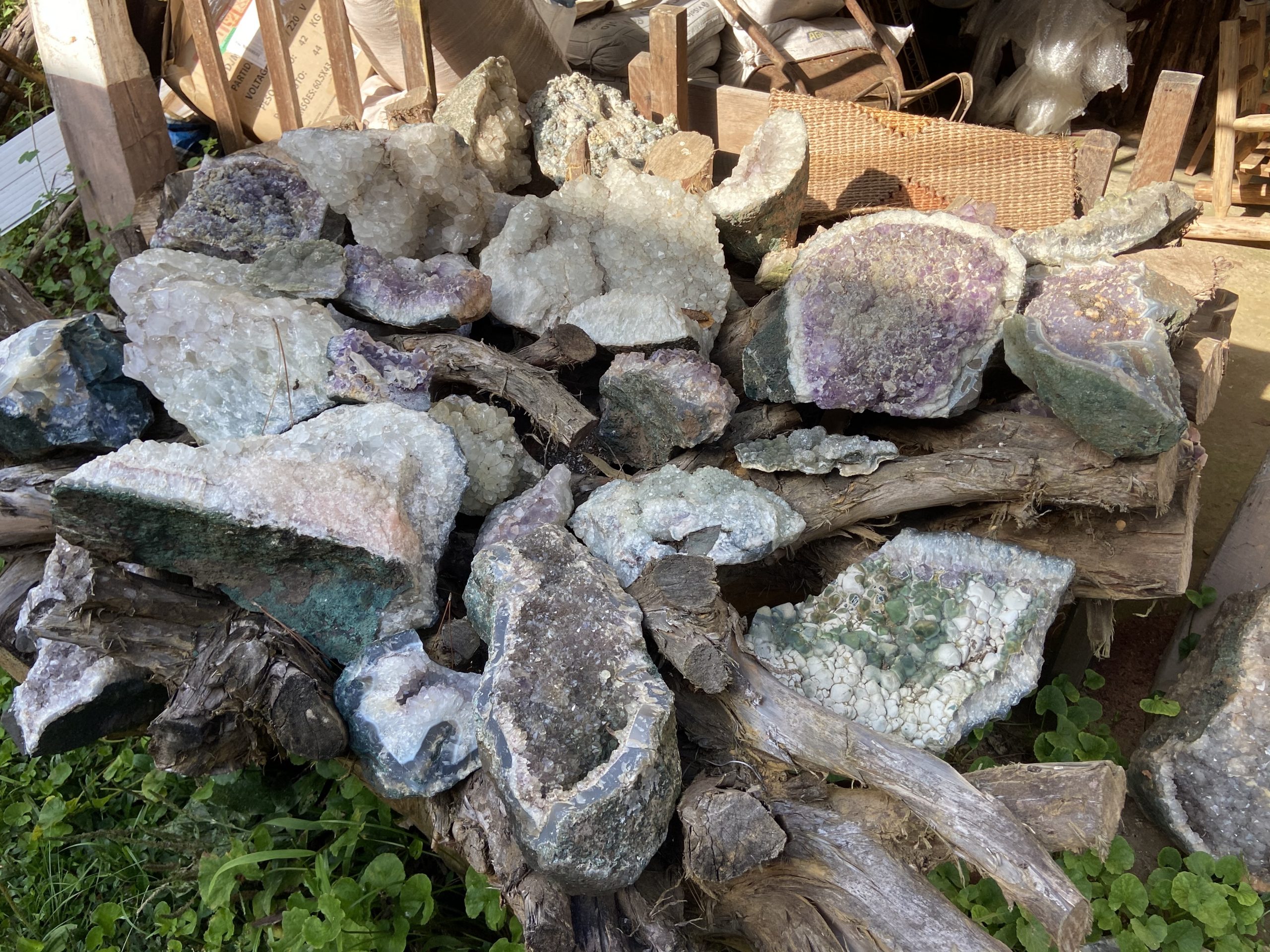
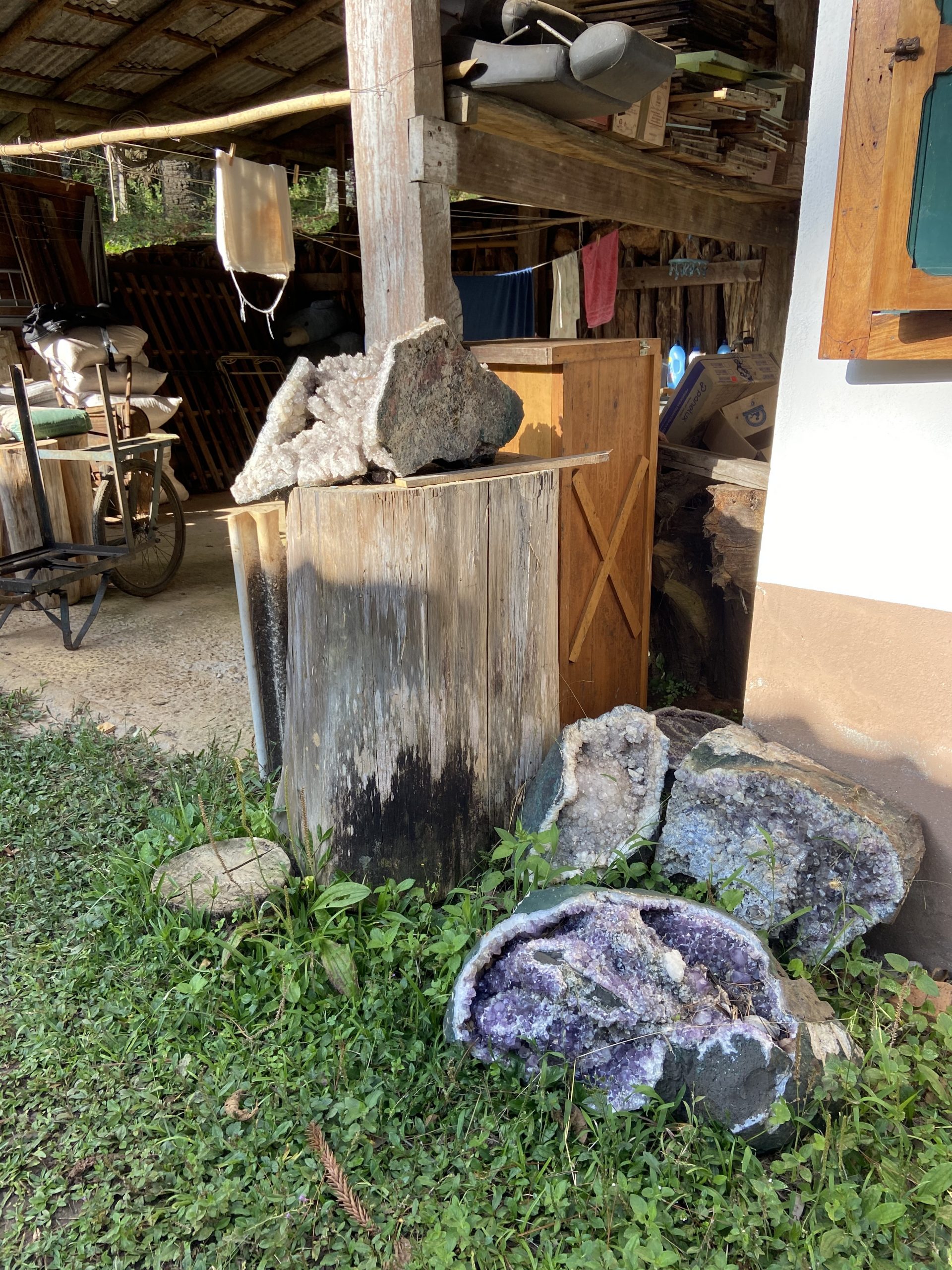
At the fazenda everything seems to move in synchronicity — the dogs, the breeze, even the clouds. Nothing is disturbing. Regina led me through the land introducing the fireplace where she holds ceremonies, the waterfalls and the dome-like sauna built out of reddish mud and fired by two wooden ovens. Right next to the sauna is a man-made water body and waterfall – a refreshing, constant high-pressure flow of water. All of it is surrounded by a diverse forest. And then she showed me her collection of crystals – all from Minas Gerais itself, which is the belly of the Earth when it comes to crystals … Regina used them for healing.
The little guest house, where I sleep, is surrounded by them. They are partially buried into the ground so one could only see the glittering surface, jagged clusters, like small mountain ranges in miniature, their edges polished smooth by time and rain. You find pieces the size of your hand, but also slabs so large they could be mistaken for altars — translucent towers that catch the light and split it into colors I didn’t know existed.
At night, the fazenda turns entirely into something else. The forest hums with invisible life — frogs, insects, the occasional call of an unseen animal. Sometimes the two horses would come by my little guest house, eating the green grass. I could hear them snorting. The stars are so sharp they feel almost intrusive, like they could hear my thoughts. And the crystals take another colour and become even shinier and more mysterious.
I sensed that this land has its own logic. It doesn’t ask; it teaches.
Regina became my guide. She told me she was taking two friends to her fazenda for a retreat and that I should come along. When I asked what kind of retreat it was, she just smiled and said, “Wait and see. Surrender. Go with the flow. Experience.”
So I did. I’d never done anything like it before, but I decided to follow her lead — no questions, no resistance. I arrived open, expectation-free, ready to do whatever she asked.
And just for the records: There were no substances — no ayahuasca, no herbal shortcuts, nothing but the experience itself.
Brain and Food
The morning after we arrived, Regina looked at me with that knowing calm of hers and said, “We’ll focus on your prefrontal cortex — the space just behind your forehead.” She smiled.
I liked the sound of that, and I learned that this part of the brain is functioning as the brain’s CEO — the quiet room where impulse waits for wisdom to arrive. It’s the place that pauses before acting, the gentle gatekeeper who says, “Breathe first.” It tames the storms that rise from deeper down, from the wild seas of emotion and instinct. It’s the space where chaos turns into clarity, where a spark of feeling becomes a thought, and a thought becomes understanding. It’s where empathy lives — the small, shimmering voice that reminds me the world doesn’t end at my own skin. When this part of the brain is awake, the noise softens. The edges blur. The mind remembers what the heart already knows.
I’d felt it a couple of times before — that strange, heightened clarity and calmness — when I quit basketball, when I chose not to give Tim up for adoption, when I visited my attackers in a Tunisian prison, or when I was riding long distances on my motorbike or when I was crossing Baluchistan. Each time, something in me shifted — sharp, decisive, unmistakably alive. But back then, I had no idea what was actually happening in my brain. I called it instinct, peace, freedom.
Now, Regina gave it a name. She told me what was really going on behind my forehead — that quiet command center where courage and calm shake hands.
Before any of the practices for self-discovery began, Regina said: “You need to change your eating and drinking habits. Every morning,” she told me, “start with turmeric: a spoonful mixed with water, drunk before anything else touches your stomach. And then, whenever possible, make yourself a green juice.” Here at the fazenda, she explained, wander into the vegetable garden, pick a mix of green leaves — maybe add some beet root — throw in pineapple, apples, blend it all, and drink it. Only after that could I have coffee or breakfast. Lunch, she said, should be the main meal of the day, late if possible. Bread? Avoid it. Dinner? Skip it. Wine? One glass, with the meal.
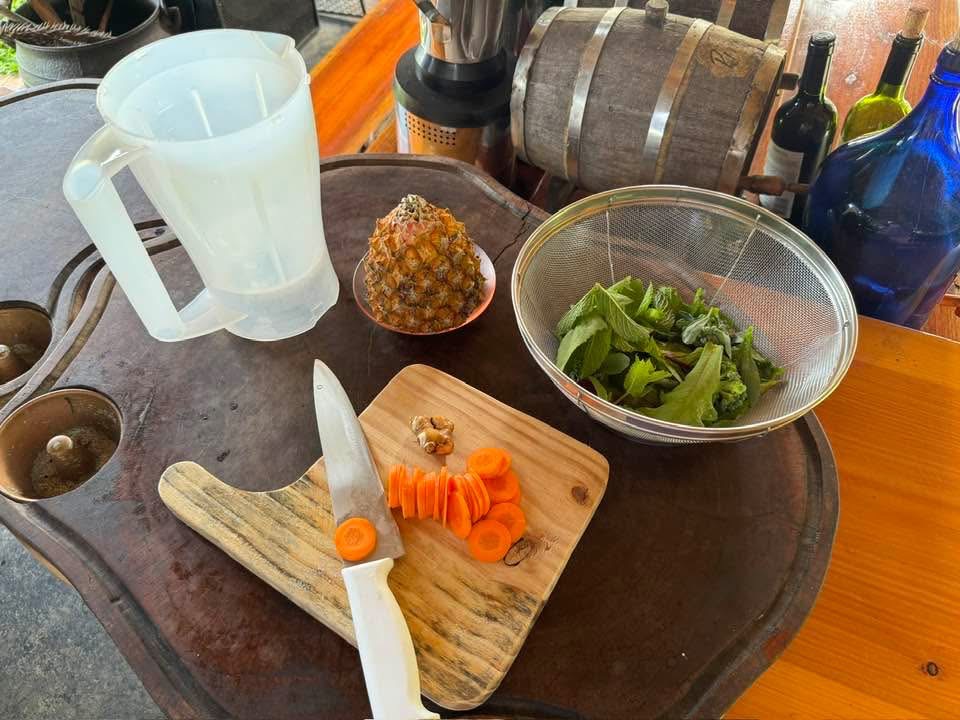
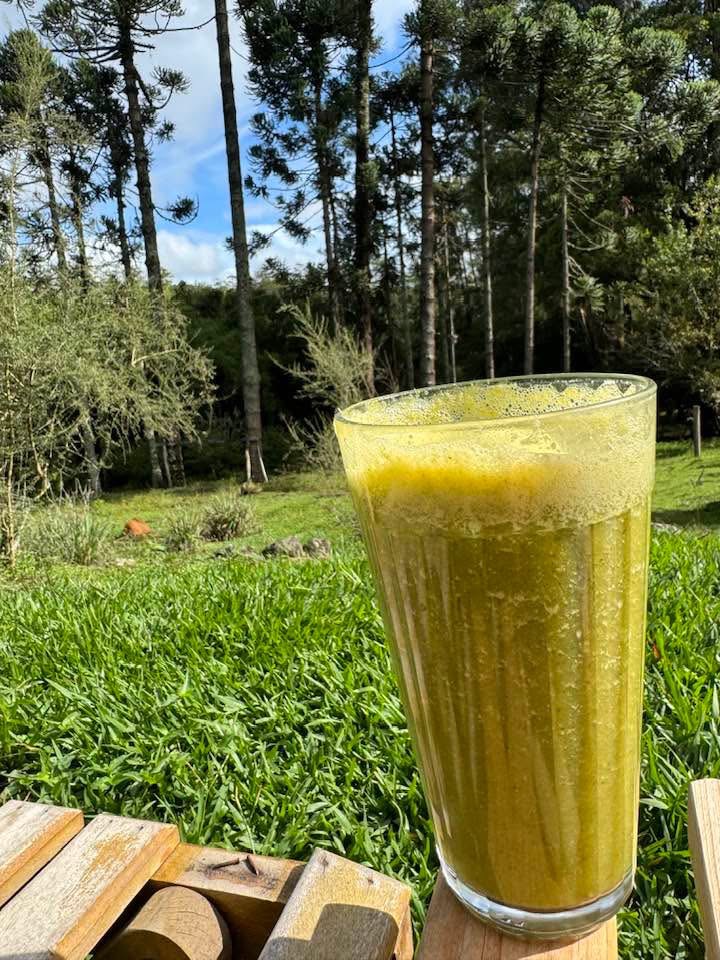
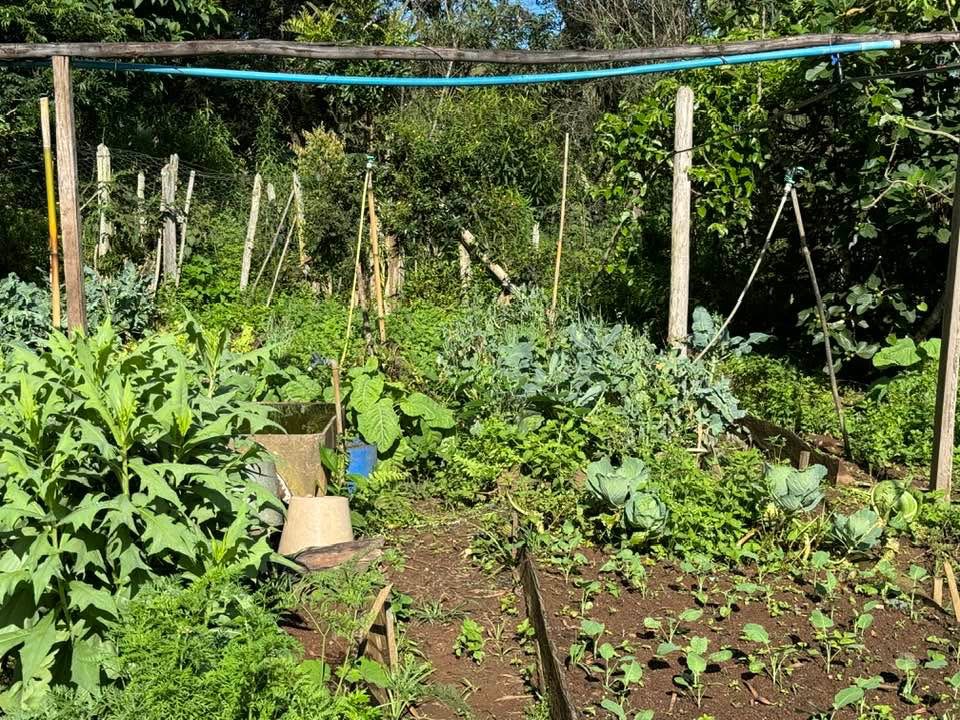
And this, remarkably, is still my routine — three years later. My morning turmeric has become a ritual, no matter where I am. I add the green juice whenever I can. Bread is almost gone from my life. Lunch is my anchor, and long stretches without wine have become natural. Sure, there are occasional indulgences — yes, sometimes more than one glass — but mostly, I follow her advice.
The results? Transformative. I’ve lost weight, the entire shape of my body has changed, my energy has soared, the swelling in my ankles, knees, and hands has disappeared, my skin glows, and I haven’t had a cold in years. It’s astonishing how much a few simple habits can change the body – and provide the steady energy for a clear, focused mind.
Connecting With Nature
Regina kept me pretty much away from everyone – I should spend my time alone, in silence, and in nature. I could take Beethoven, my favourite dog at the fazenda, a Border Collie, on my walks or play with him, but I should reduce my interactions with people to an absolute minimum. And she asked me to “document” everything: “Every observation in nature, everything you observe, see, and what comes up in your mind – just write it down on a piece of paper,” she said.
I went on endless walks in and around the fazenda — up and down the hills, along narrow trails that opened suddenly to breathtaking views. I wandered to the waterfalls nearby, their roar softening into music as I walked cross-country through the forest. I rarely met another soul. But I saw everything else. Tiny things I’d normally overlook began to reveal themselves — the shimmer of a beetle’s back, a mushroom pushing through damp soil, a leaf trembling just before it fell. My senses sharpened; the fog of numbness lifted.
Sometimes I simply sat down and watched. The rhythm of nature began to reveal itself — patient, circular, endlessly composed. The sun warmed what the night had cooled; the rain fed what the roots demanded. Leaves fell, became soil, and rose again in the next season’s green. The insects that fed on rot would later pollinate the flowers, and the flowers would feed the bees, who in turn made honey — sweetness born from decay. Even the stillness wasn’t truly still; beneath the forest floor, roots intertwined, trading nutrients like quiet conversations between old friends.
A dead branch might cradle new moss, a puddle might mirror the sky. The river carried fallen leaves downstream, only to return as mist in the morning air. Everything had its place, its moment, and its return. It was a perfect choreography — life folding into death, death dissolving into life — the Earth breathing in and out, endlessly. And indifferently. It was so beautiful in its simplicity.
As I watched, something in me began to loosen — the restless loops of thought, the constant measuring of what was and what should be. My mind, always busy constructing and correcting, grew quiet. Thoughts didn’t vanish; they softened. Instead of running in circles, they began to move with the same rhythm I saw around me — rising, unfolding, fading.
In that quiet, other thoughts surfaced — not loud or demanding, but clear, like water after the mud settles. I wondered how much of my life I had spent resisting this simple order of things — trying to hold on when everything around me was teaching me to let go. Watching a leaf detach from its branch, I thought of endings I’d fought against, of how much easier it might have been to fall when it was time.
The forest became a mirror. Every decaying log whispered that loss isn’t absence; it’s transformation. Every new sprout quietly insisted that renewal needs no fanfare — it simply arrives when the old makes room. I began to recognize my own patterns: the moments I had broken down only to grow stronger, the way grief after my husband’s death had shaped insight, the recurring patterns I kept finding in my own life. I felt a closeness to my own impermanence, and I began to befriend death.
What appeared first was humility — how small I was in this endless choreography — then peace. And with peace came gratitude. Gratitude for the leaf that falls without complaint, for the river that returns the rain it carries, for the earth that never questions what dies or what grows. For the sun, for the shadows, for the quiet insistence of life itself. In witnessing it all, I felt seen, held, and a part of the same vast, breathing order. The mind stops chasing when it sees the circle complete itself, and the heart can finally whisper, thank you.
Every now and then, Regina would come looking for me — checking in on my wanderings, asking about my observations, and leafing through the pages I’d been filling with notes and reflections. She’d read, nod, sometimes smile, and then challenge me: What do you want to carry with you — and what are you ready to let go of?
“The sauna will help you with the latter,” she said with a knowing grin.
Cleansing – Making Space
Going to the sauna after a walk, just before late lunch, quickly became a daily ritual. Regina had “prescribed” seven sauna sessions a day — roughly two hours in total. “This is where the old stories melt,” she said, her voice calm but firm.
I’ve always loved the sauna, but I had never thought of it as a tool for “letting go.” Strange, I thought, because it feels so obvious once you’re inside: the heat presses against your body, loosening tension, softening edges, and slowly, almost imperceptibly, you begin to release — your thoughts, your grip on control, the weight you didn’t even realize you carried. In the quiet, steamy stillness, surrender isn’t a choice; it’s inevitable. The body softens, the mind quiets, and something deep inside exhales.
The sauna stood a little apart from the main house, down the hill, half hidden behind a cluster of trees. It looked less like something built and more like something grown from the earth itself — a dome of reddish clay, shaped by hands that understood the language of soil and fire. The same mud that squelched beneath my boots on rainy days had been baked into its walls.
Inside, the air was damp – just to the right degree. Not too damp and not too dry. It didn’t require any infusion. It was the kind of air that pressed against the skin and forced me to meet myself without distraction. Two ovens, fed with logs from the surrounding forest, kept the heat alive. The benches were made out of stone, darkened by time and sweat.
At first, I just sat there as if I was waiting for something to happen — something like a neatly packaged epiphany. Instead, I sweat. And again, there was silence. And the distinct feeling that my thoughts – which I was supposed to let go – were clinging to me like clothes I’d forgotten to take off.
Yet, the heat stripped away layers — not just physical, but emotional, invisible ones. The longer I stayed, the quieter my mind became. Thoughts that had once felt urgent lost their sharpness. Regrets softened; fears thinned out. In that haze of heat and breath, I began to realize how much of my pain came from resistance — from clinging to what was already gone.
In the sauna, this letting go became concrete. I released my constant involvement in Janwaar, even though it persisted online and over the phone, despite my visa troubles. I loosened my grip on my “business career,” which I had been keeping afloat mainly to sustain my life in India and my travels around the globe. It no longer held meaning for me; in fact, I could feel it subtly blocking the path forward, keeping me from discovering what I truly wanted — something that, until then, wasn’t even clear.
Outside, the forest was alive — birds calling, leaves flickering, the rhythm of life continuing without me. Inside, I could hear my own heartbeat syncing with that rhythm. There was no distinction between inside and out anymore — the air I breathed had passed through the trees first; the sweat on my skin was the same water that once fell as rain.
After each session, I stepped out into the open air, drenched and dazed. The light hit me gracefully, and it was running up and down the trees like energy streams. My skin steamed; the air wrapped around me cool and soft. The small lake next to the sauna shimmered like liquid glass. I would walk straight to the man-made waterfall at the far end – the cold water closing over me in one sharp, cleansing shock.
That contrast — fire and water, release and renewal — became a kind of rhythm of its own. The heat burned the noise away; the water carried off the ashes.
Letting go, I realized, isn’t a decision. It’s a process — like evaporation. You sit in the fire long enough, and what’s heavy begins to rise.
When I returned to the little guest house just before lunch, I felt emptied — but not hollow. More like a field after harvest: quiet, bare, but fertile.
And after lunch and a well-deserved nap, Regina would appear with her easy smile and her endless calm. “Write,” she’d say, handing me a piece of paper. And I did — pages of scattered thoughts, fragments, images. Sometimes I didn’t even understand what I was writing until later.
It wasn’t about making sense of anything. It was about making space.
And somehow, in that rhythm — walking, watching, sweating, writing — I began to notice that letting go didn’t mean losing. It meant returning. Returning to the quiet pulse beneath everything, to the simple truth the forest kept whispering: Nothing is wasted. Everything transforms.
A Mindful Inner Journey
At night, surrounded by those massive crystals, the air seemed to change. Lying there, after a long walk and a few sauna sessions, I felt these crystals were lifting the weight of my thoughts and were quietly tuning the space around me. They didn’t speak, but their presence seemed to slow the mind, as though the dense, ancient mineral remembered rhythms older than any human thought.
In their stillness, I became aware of the gaps between my own breaths, the pauses between my scattered ideas. Thoughts that normally darted and clung now drifted lightly, folding into themselves. Memories of deadlines, worries, and unresolved decisions softened, like sand sliding gently through fingers. I noticed a calm curiosity rising in me — a clarity that wasn’t about solving anything but about noticing, experiencing, feeling.
The crystals seemed to anchor me in the circular rhythm I had witnessed in the forest and the sauna: life, decay, renewal, breath, release. Alone, yet not lonely, I felt a connection to something patient and enduring, a reminder that even my restless mind could be held by something larger, something steady. By morning, I was lighter, more attuned — my sleep deep and undisturbed, my mind open, ready for the next walk, the next session of quiet observation.
All of it — the solitude, the endless walks, the attentive observation of life in its tiniest details, the rhythm of the forest, the heat of the sauna, the cold shock of the waterfall, the crystals — was training me in the art of letting go. Each moment stripped away what I no longer needed: old attachments, habitual thoughts, expectations, fears. In their place, I discovered clarity, humility, and gratitude — a deep recognition of life’s cycles and my own place within them.
This was not about achieving anything or becoming someone new. It was about returning to the pulse beneath everything, listening, observing, and responding from the heart. Slowly, quietly, it showed me that a life lived fully, authentically, and with intention is not dictated by conditioning or the noise of the outside world — it comes from the awareness, the acceptance, and the gratitude that grows when we truly let go.
In short, the journey was not outward but inward — a mindful exploration of self, of nature, and of the quiet, enduring wisdom that emerges when we truly allow ourselves to be present. An experience I had before, but now I have the keys to go there. Regina opened the door to this presence, and ever since, I keep returning, stepping through again and again, finding in it a place to pause, reflect, and simply be – no matter where I am on this planet.
Thank you for reading 🙂